Campus Protests and the Call to Courage

In the last few weeks, as campus protests exploded in violence, my team and I traveled across the country and worked with people on how to respond with Revolutionary Love.

How we came together in love and courage this year

I want to thank you for all that we accomplished together this year. In this difficult season in the world, I look for points of light that offer hope. You are that point of light. Here are glimpses of how we came together this year to practice love, courage, and humanity.
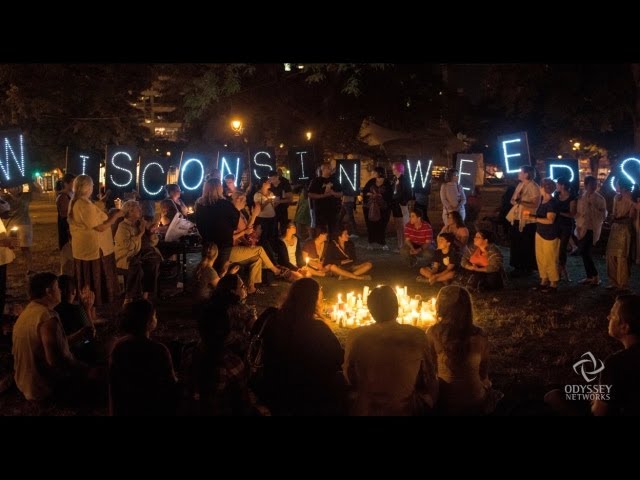
Grieving Together

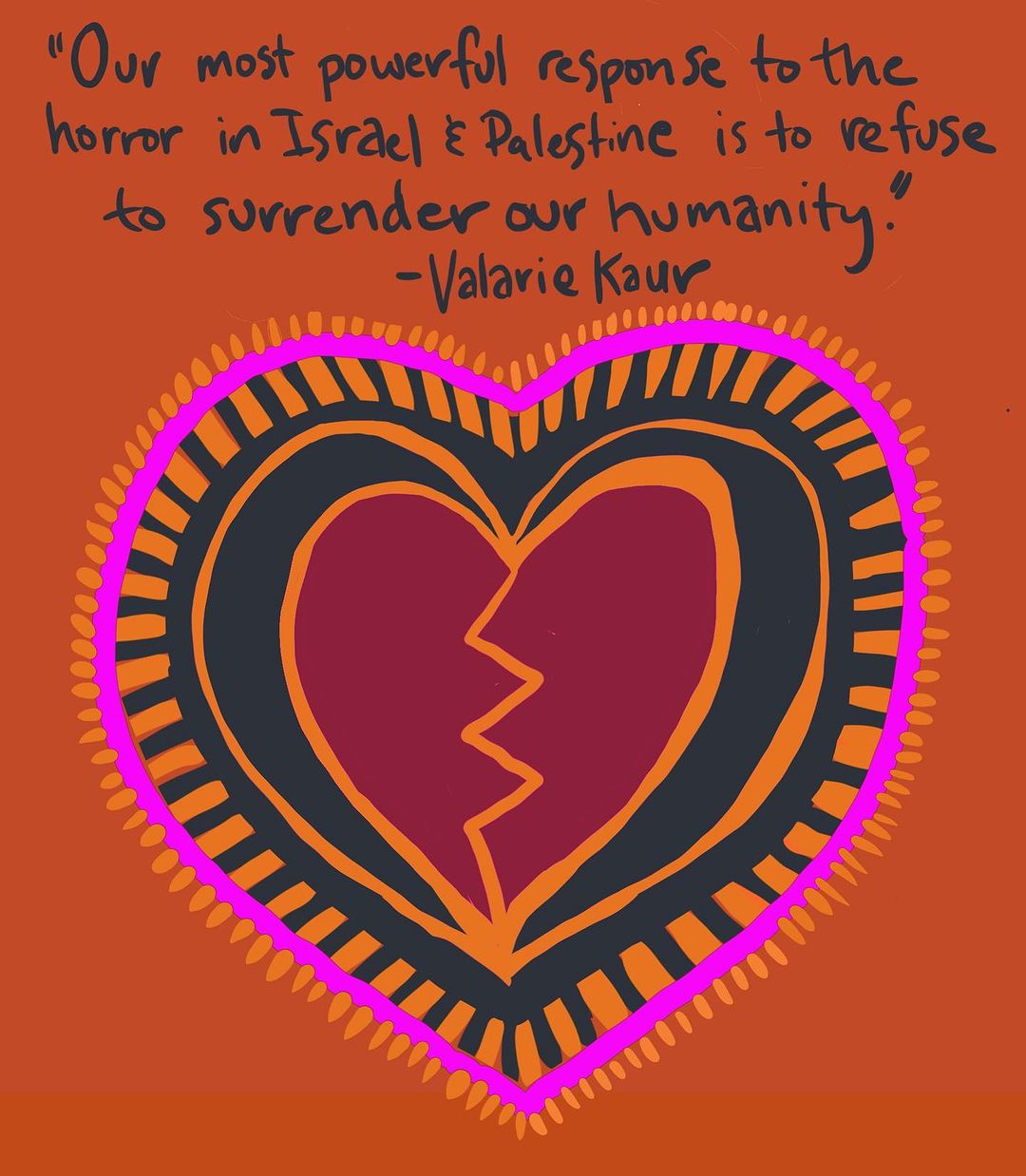
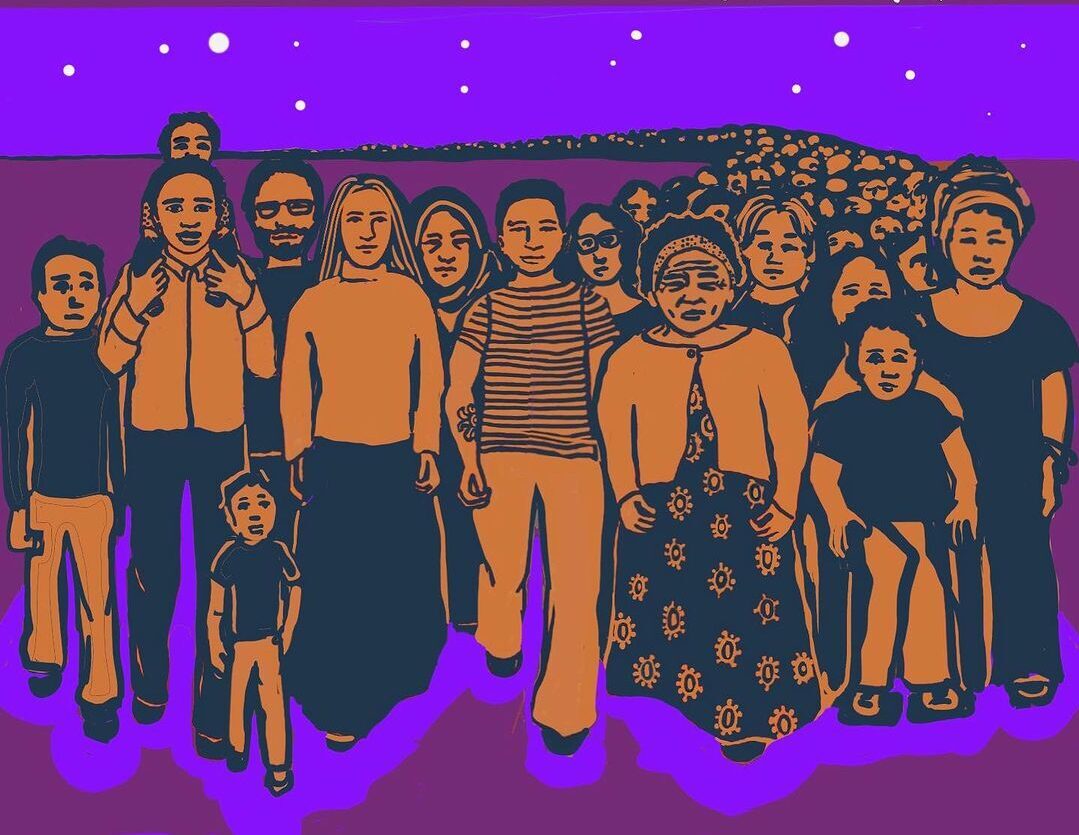
We are inspired by people across the country responding with Revolutionary Love and organizing grief circles and vigils. Inspired by SEE NO STRANGER, more than a hundred American Jews and allies gathered in front of the White House on Sunday to grieve together and call for ceasefire in Palestine.
The Massacre of Children in Gaza

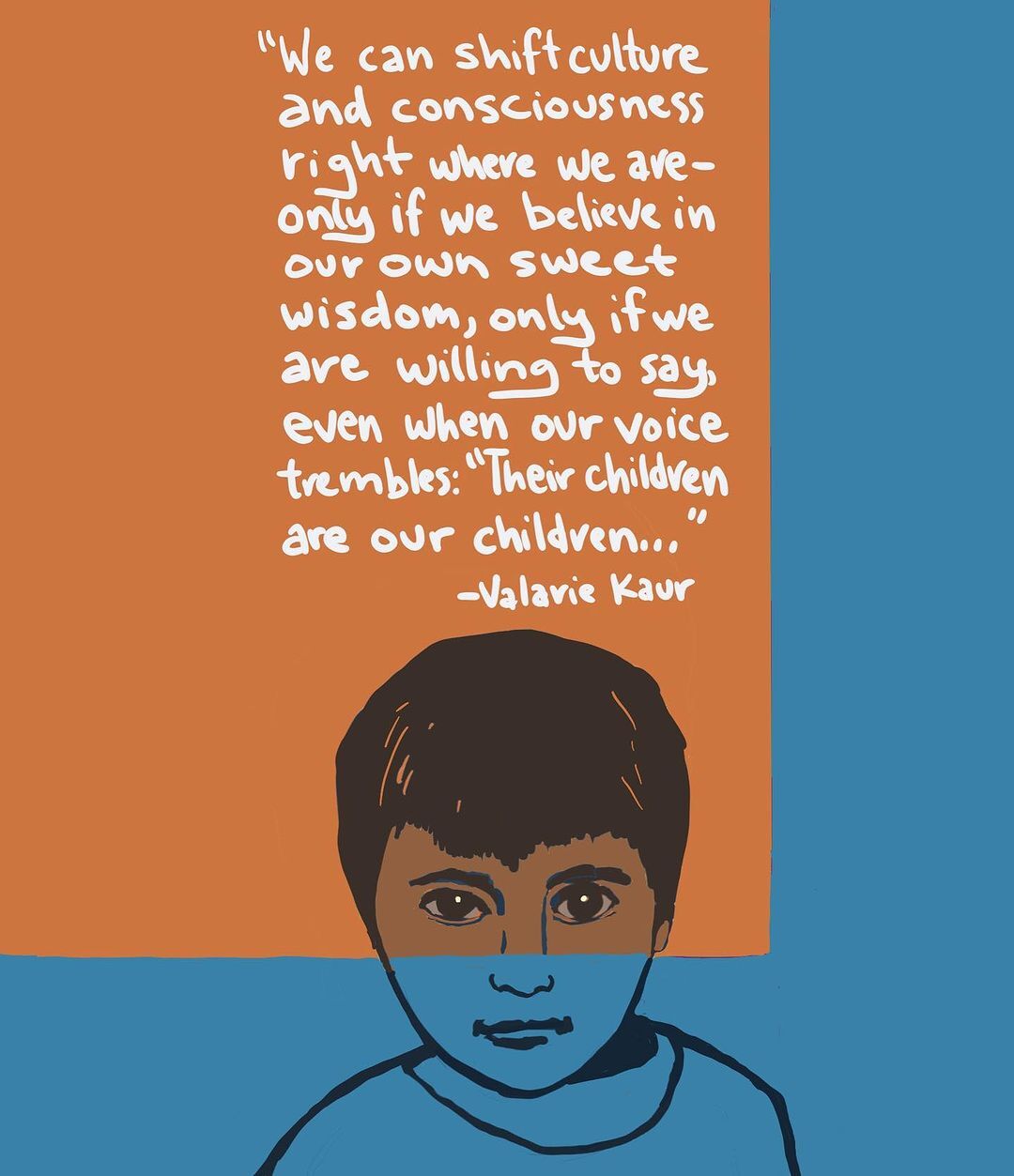
Call and email your representative. It is a numbers game. Tell them you want a ceasefire resolution and a release of all hostages.

His Name is Wadea Al-Fayoum.

He is a Palestinian American child from Chicago who was killed by his landlord, targeted for being Muslim and for what’s happening in Gaza.

Award-Winning Films

Valarie Kaur and Sharat Raju run Seva Productions, where they create film and television that support entertainment and social justice.

Divided We Fall: Americans in the Aftermath

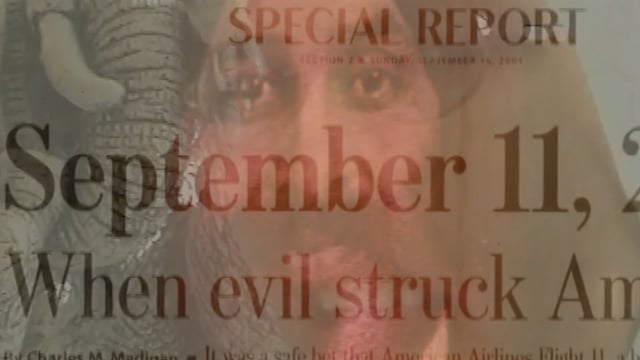
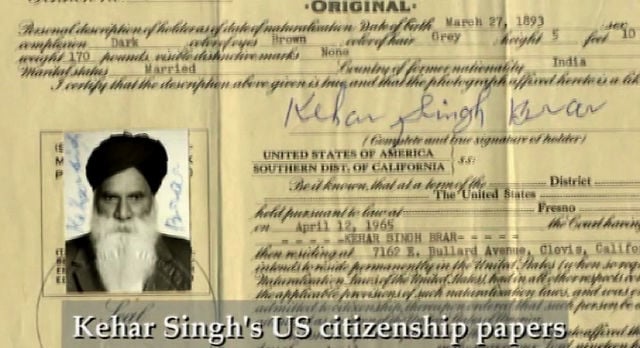
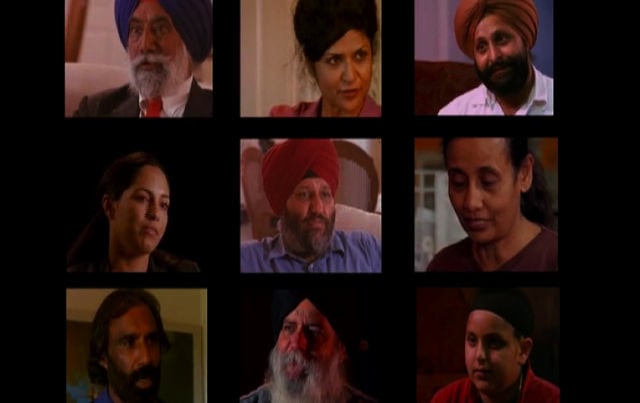
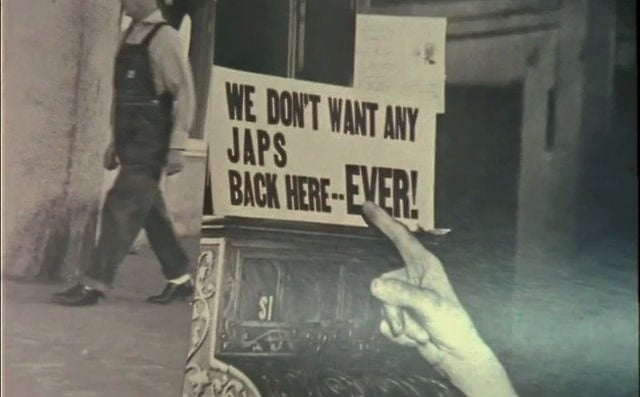
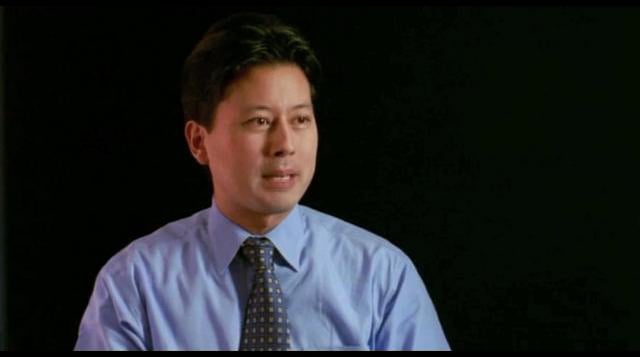
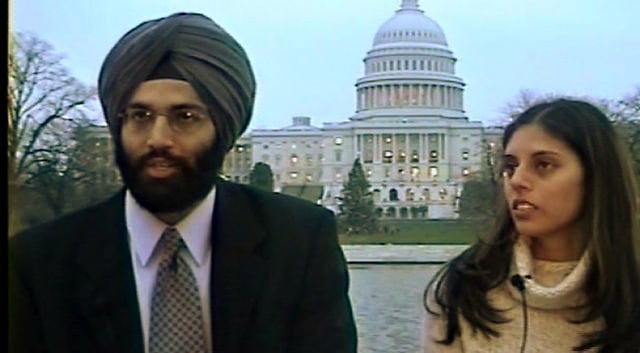
Kaur’s first film Divided We Fall (2008) with director Sharat Raju toured in 200 U.S. cities, won a dozen international awards, and became known as the go-to documentary on post-9/11 hate crimes. The Divided We Fall Campaign inspired dialogues on 100+ campuses and communities in the 2008 and 2016 election seasons.

Oak Creek: In Memorium

The massacre in Oak Creek, Wisconsin that claimed the lives of six people on August 5, 2012 is only one in a tragically long list of mass shootings. Yet in this political moment – when sustained public pressure could lead to real gun control reform – the Oak Creek tragedy and response offers a vital lesson: the efficacy of resilience.

The Worst of the Worst

Portait of a Supermax Prison depicts Connecticut’s sole supermax prison, where many inmates are held in solitary confinement for months and even years at a time. Hard-hitting interviews with a range of experts and administrators are interwoven with the powerful stories of those who spend their days within the walls of Northern: inmates and correctional officers.

Alienation

When Immigration and Customs Enforcement agents raided a 7-Eleven in Baltimore, they arrested dozens of bystanders on the grounds of alleged immigration violations. “Alienation” follows the story of two families swept up in the 2007 raid and examines current controversies in immigration law and policy.

Stigma

The law permits police officers to stop and frisk people based on “reasonable suspicion.” Do “Stop and Frisk” police practices cause racial profiling, or deter crime? “Stigma” explores the dynamic between the community and the police through the eyes of three people who grew up on the streets of New York City.

American Made

American Made explores the conflict between faith, freedom, assimilation and modernization—themes that immigrants continue to struggle with when recreating family in a new world. Learn More About the Film For information on purchasing educational screening rights, please contact Emily Baxter at emilybaxtervk@gmail.com.

Essays

Book AND Journal Contributions

Patriot Acts: Narratives of Post-9/11 Injustice

As the eighth volume in Dave Eggers and Lola Vollen’s poignant Voice of Witness series, with Valarie as associate editor, Patriot Acts is a groundbreaking collection of oral histories that tells the stories of men and women who have been needlessly swept up in the War on Terror. In their own words, narrators recount personal experiences of the post-9/11 backlash that have deeply altered their lives and communities. Patriot Acts illuminates these experiences in a compelling collection of eighteen oral histories from men and women who have found themselves subject to a wide range of human and civil rights abuses—from rendition and torture, to workplace discrimination, bullying, FBI surveillance and harassment.

My Neighbor’s Faith

This groundbreaking volume gathers an array of inspiring and penetrating stories about the interrligious encounters of outstanding community leaders, scholars, public intellectuals, and activist from the United States, Europe, and the Middle East. With wisdom, wit, courage, and humility, these writers from a range of religious backgrounds share their personal experience of border-crossing, and the lessons learned from their interreligious adventures. We live in the most religiously diverse society in the history of humankind. Every day, people of different religious beliefs and practices encounter one another in a myriad of settings.

Women, Spirituality, and Transformative Leadership

The world is in crisis and it seems that many are looking to women to heal the planet and our human family. Before women can step into our full potential as leaders and guides in this moment, we must individually reconnect with our deepest wisdom and with our spiritual roots; collectively heal the many dimensions of separation that keep us fragmented and ineffective as agents of social change; and globally reclaim our rightful place as spiritual leaders in service of a balanced and compassionate new paradigm. This empowering resource engages women in an interactive exploration of the challenges and opportunities on the frontier of women’s spiritual leadership.

Emerging From the Shadow of September 11

On September 15, 2001, the murder of a turbaned Sikh family friend launched then-college student Valarie Kaur on a road trip to chronicle hate crimes across the United States. For nearly a decade, she filmed stories in her community—Sikh American men, women, and children whose brown skin and turbans marked them as suspects. Her journey unfolded into a broader exploration of who counts as “one of us” in times of crisis. She now speaks widely to inspire all Americans to recognize that their struggles to live without fear are bound up in one movement for justice.

Civil Rights in Wartime

In the days, months, and now years following the events of September 11th, discrimination against the Sikh community in America has escalated sharply, due in part to a populace that often confuses Sikhs, compelled by their faith to wear turbans, with the Muslim extremists responsible for the devastating terrorist attacks. Although Sikhs have since mobilized to spread awareness and condemn violence against themselves and Muslims, there has been a conspicuous absence of academic literature to aid scholars and commentators in understanding the effect of the backlash on the Sikh community, the group disproportionately impacted by post-9/11 discrimination.

Report from Valarie Kaur, October 5 – 8, 2009; The National Institute of Military Justice Reports from Guantánamo Volume II

The National Institute of Military Justice (NIMJ) was founded in 1991 to advance the fair administration of military justice and to foster improved public understanding of the military justice system. Between 2008 and 2009, observers from the Nation Institute of Military Justice were invited to observe military commissions at the U.S. Naval Base at Guantánamo Bay, Cuba. Valarie served as official observer working to ensure that all military commission satisfied the right to a public trial.

Press

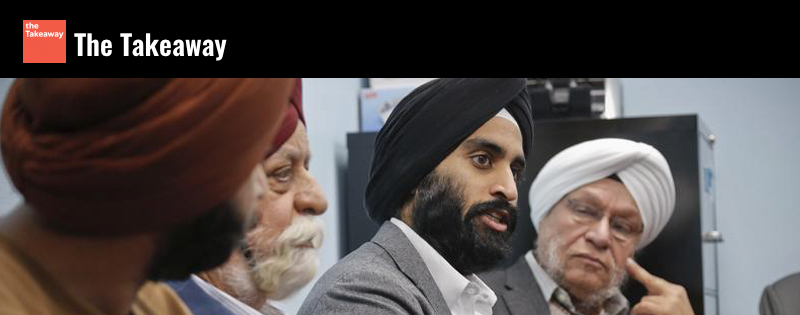
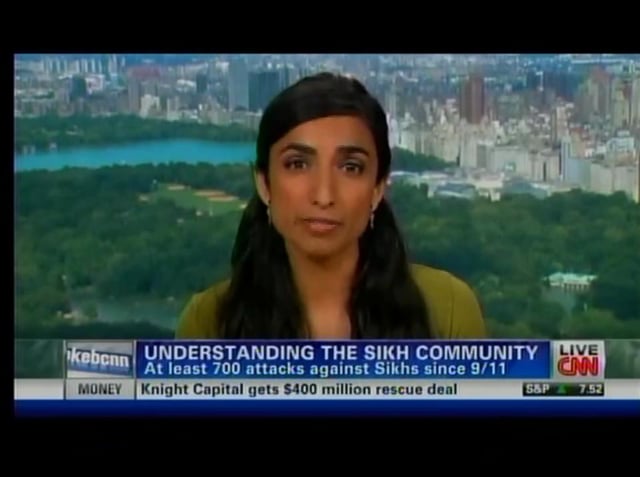
Although there’s no ‘correct’ target for hate, misdirected Islamophobic violence against Sikh Americans has continued for two decades. In this episode, The Takeaway spoke with activist and author Valarie Kaur about what the post 9/11 era has meant for Sikh Americans.

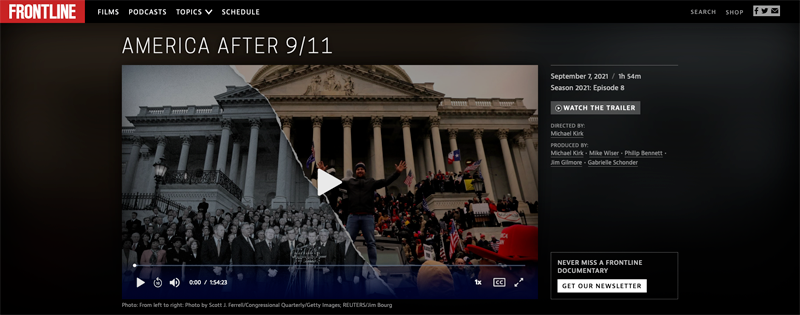
From a failed “war on terror” with dubious origins to the legal black hole of Guantanamo — take a look back at the practices and policies of the past 20 years and their present day implications in this FRONTLINE documentary that includes an in-depth interview of Valarie Kaur, American After 9/11.

Read the Washington Post feature on Valarie and her fellow organizers

“‘It’s sort of like getting the Martin Luther Kings, the Gandhis, the Rabbi Abraham Joshua Heschels, the Dorothy Days, the Fannie Lou Hamers of our time together and creating a sense of community,’ said the Rev. Katharine Henderson, the president of Auburn Seminary in New York.”

Van Jones and Valarie Kaur on Mic.com

Watch Valarie and Van discuss Revolutionary Love and how Americans can start loving each other — even the people we disagree with the most.

Additional press

See here for archives in Print, Audio, and Video.

Podcast Interviews