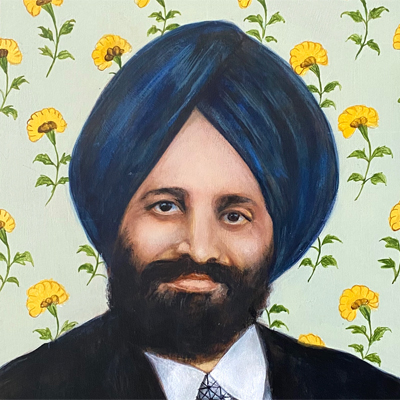
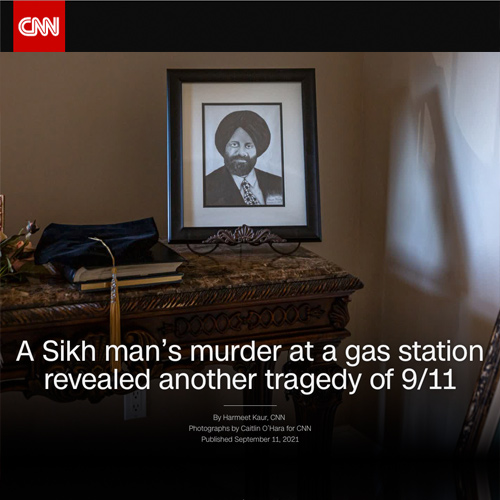
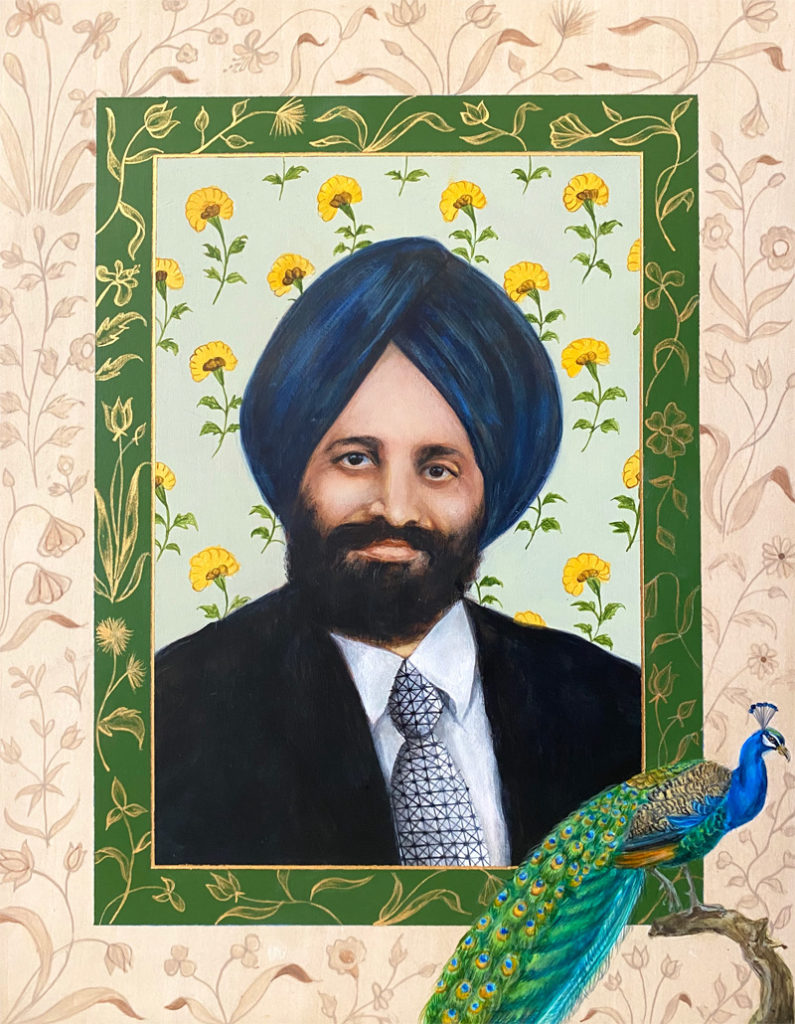
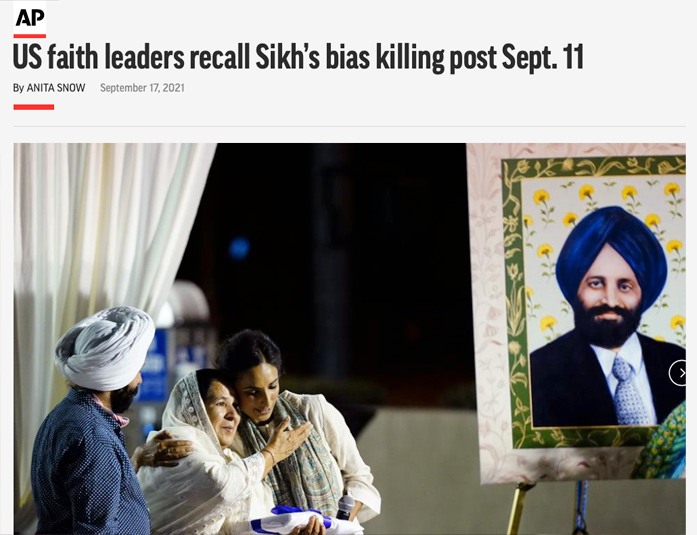
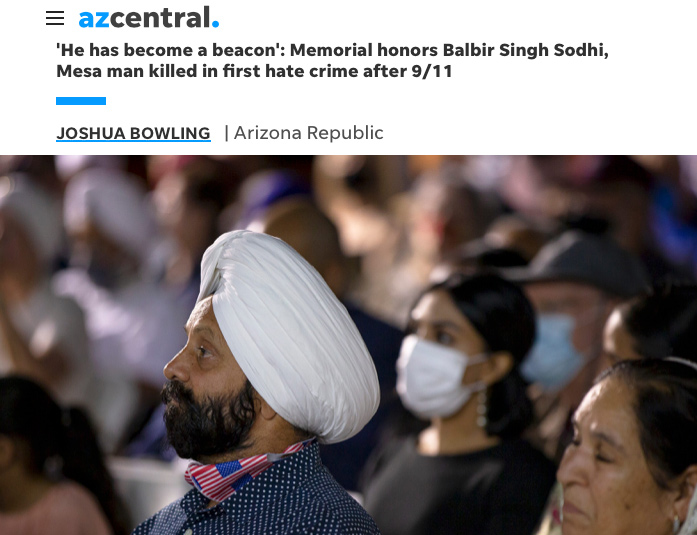
On September 15th, 2001, Balbir Singh Sodhi, a Sikh American father, was killed while planting flowers in front of his gas station in Arizona by a man who called himself a patriot. He became the first person killed in hate violence after 9/11. He was the first of thousands of people whose lives have been lost or shattered by the way our nation responded to 9/11. We responded to aggression with enormous aggression, at home and abroad, for twenty-four years— war, torture, surveillance, deportations, detentions, and hate violence that continues today.
Balbir Singh Sodhi was killed for wearing his turban as part of his faith, his commitment to love all of humanity. What would the next 20 years look like if we valued human dignity above all? What if we chose, like Balbir Uncle, to treat all as family — to see no stranger? How will we be remembered 20 years from now?

Original artwork by Sunroop Kaur, @loquacious_lines
Read Sunroop’s artist statement here
The authoritarian violence we are witnessing now — including the expansion of state apparatus to oppress, detain, and disappear people of color — is rooted in the enormous aggression unleashed after 9/11. In that moment, white supremacist forces gained new momentum, revitalizing white nationalist movements that have since reached the highest levels of government. The culture of dehumanization that emerged after 9/11 — which cast brown people as inherently suspicious and potentially terrorist — laid the groundwork for today’s brutal campaigns of mass deportation, the erosion of due process, legal black holes, and the normalization of cruelty.
Balbir Singh Sodhi was the first person killed in our era’s resurgence of racial violence against brown people and immigrants. The same dehumanizing logic that took Balbir Uncle’s life gravely endangers our communities today.
If we want to understand what’s happening in the U.S. today, we must tell the true story of our past.
One year ago today, we brought the Revolutionary Love Bus Tour to the gas station in Mesa, Arizona, where Balbir Uncle was killed. The gas station has become a site of pilgrimage, where people gather in memorial each year on September 15th. This time, the family asked us to park the bus as the backdrop to the memorial. On the side of the bus were the words: “Revolutionary Love is the call of our times.”
We choose to remember not just how Balbir Uncle died, but how he lived — how he walked a path of love. We cried, we laughed, we sang. Together, we reclaimed a site of trauma as a sacred space of memory, healing, and hope. Watch a clip here.
In memory of Balbir Uncle and all the loved ones we’ve lost, may we continue to tell the stories that empower us to grieve, to build new bonds, and to become bearers of justice and joy.
24 yrs ago, a Sikh father #BalbirSodhi was the 1st person killed in hate violence after 9/11. He was targeted for his turban—his commitment to love all humanity. What if we chose, like Balbir Uncle, to treat all as family — to see no stranger? Join us: 911Hub.org
Twenty-four years ago, a Sikh father was murdered in front of his gas station in Mesa, Arizona by a man who called himself a patriot. Balbir Singh Sodhi was the first person killed in racial violence in the aftermath of 9/11 — violence that has never stopped.
He was targeted for his turban, his brown skin, his faith, and how he looked. The dehumanization that took his life after 9/11 — casting brown people as inherently suspicious and potentially terrorist — laid the groundwork for today’s brutal campaigns of cruelty against immigrants.
Let’s remember not only how he died, but how he lived. He was a kind-hearted and generous man, whom many called “Uncle.” He gave candy to children who came to his gas station as if they were his own. He helped people who didn’t have money for gas. His brothers would shake their heads — was he a sage or a fool? But Balbir Uncle would simply smile, saying we are called to serve all. He had come to America to escape persecution against Sikhs in India. He was planting flowers in front of his station when he was shot in the back. His brother, Rana Sodhi, chose to forgive his killer and call for an end to all violence.
Balbir Uncle wore his turban as part of his faith — a visible commitment to love and serve all of humanity. What if we chose, like Balbir Uncle, to treat all as family — to see no stranger?
Today, as we remember Balbir Singh Sodhi, let’s recommit to protecting our neighbors and fighting for a world of justice, belonging, and #RevolutionaryLove.
#BalbirSodhi #SeeNoStranger #NeverForget
Original artwork by Sunroop Kaur, @loquacious_lines
Follow @revloveproject and @valariekaur for tools to embody the love ethic
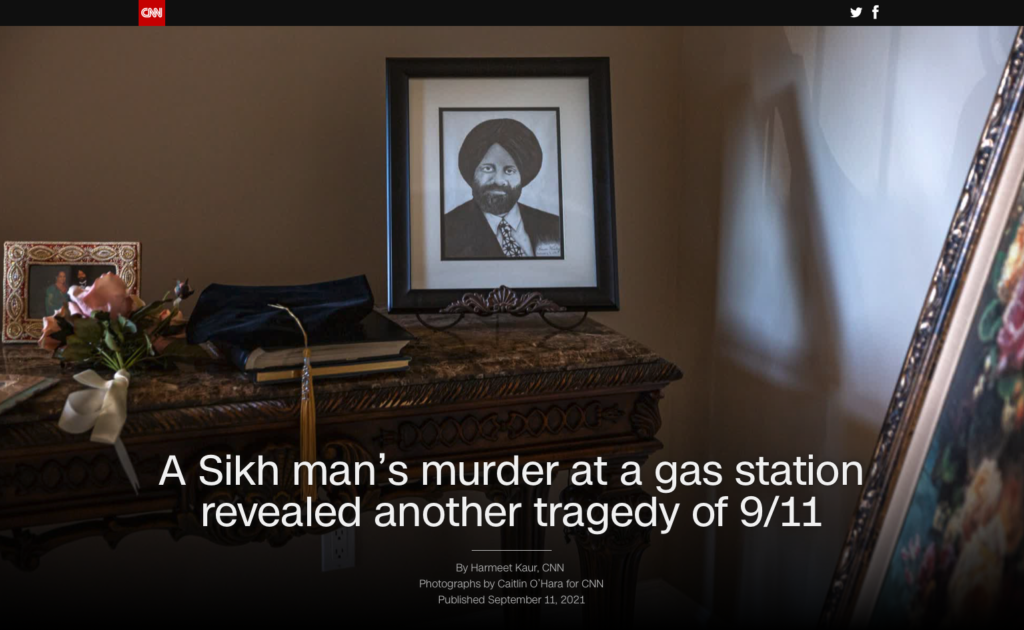
“Before September 15, 2001, the Mesa Star Chevron was just like any of the thousands of gas station and convenience store combos that dot the American landscape. It was a business that Balbir Singh Sodhi built from the ground up, in hopes that it would allow him to control his destiny and provide a better life for his family.
Four days after 9/11, however, the Mesa Star Chevron grew to represent a difficult truth: That for a certain subset of Americans, the American Dream was always fragile — and their place in the nation’s fabric was too.”
In the American Book Award–winning We Too Sing America, nationally renowned activist Deepa Iyer shines a light on an unexplored consequence of modern-day terrorism: the ongoing, state-sanctioned persecution of a range of American minorities. Get the book
American Hate: Survivors Speak Out, by Arjun Singh Sethi, a community activist and civil rights lawyer, is a moving and timely collection of testimonials from people impacted by hate before and after the 2016 presidential election. Get the book
In the American Book Award–winning We Too Sing America, nationally renowned activist Deepa Iyer shines a light on an unexplored consequence of modern-day terrorism: the ongoing, state-sanctioned persecution of a range of American minorities. Get the book
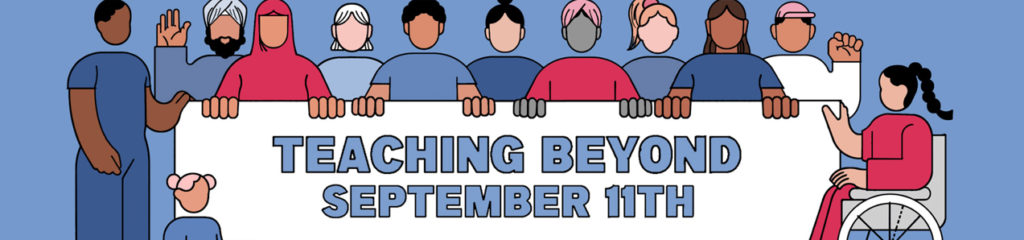
The Teaching Beyond September 11th Project’s curriculum for high school and college students has been developed by a diverse range of scholars, practitioners, and community activist leaders working with communities impacted by 9/11. Learn more
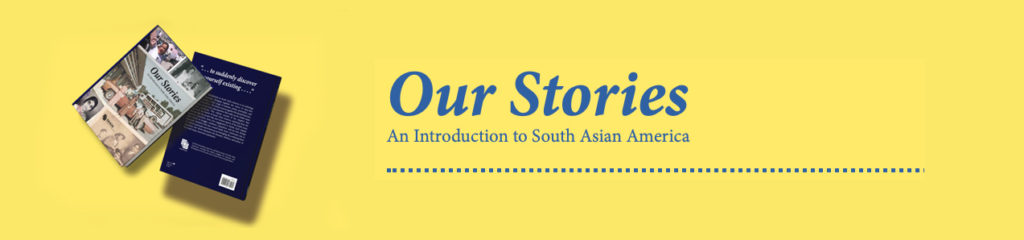
With stories spanning from the 1780s to the present day and bringing together the voices of sixty-four authors, Our Stories: An Introduction to South Asian America demonstrates the diversity, vibrancy, and power of the South Asian American community. Learn more
This 75-minute town hall provided an intimate space to reflect on the events of 9/11/01 and how it has shaped the past 20 years. Hear leaders from four different communities share their experiences of that morning and tell how they turned catastrophe into a catalyst for their life’s work: activism, research, teaching and writing that aim to protect, inspire and serve. Watch now
PROCESS: 20 YEARS SINCE is a mini-docuseries and interactive digital exhibition which amplifies our young siblings’ calls to process — the past twenty years, and the next twenty years — in just, transformative, and unifying ways. Watch now
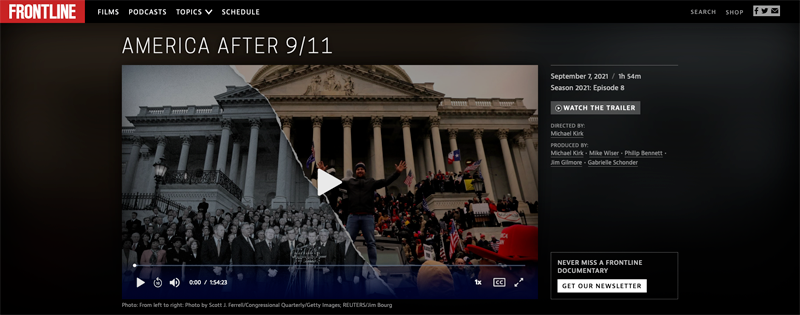
From a failed “war on terror” with dubious origins to the legal black hole of Guantanamo — take a look back at the practices and policies of the past 20 years and their present day implications in this FRONTLINE documentary that includes an in-depth interview of Valarie Kaur, American After 9/11. Watch the documentary
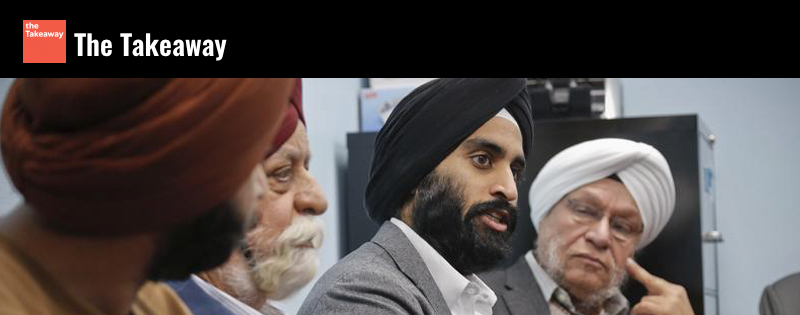
Although there’s no ‘correct’ target for hate, misdirected Islamophobic violence against Sikh Americans has continued for two decades. The Takeaway spoke with activist and author Valarie Kaur about what the post 9/11 era has meant for Sikh Americans in this episode, “How Islamophobia Has Impacted Sikh Communities.” Listen now